404 Page Best Practices: UX Design Tips & Inspiring Examples (2026)
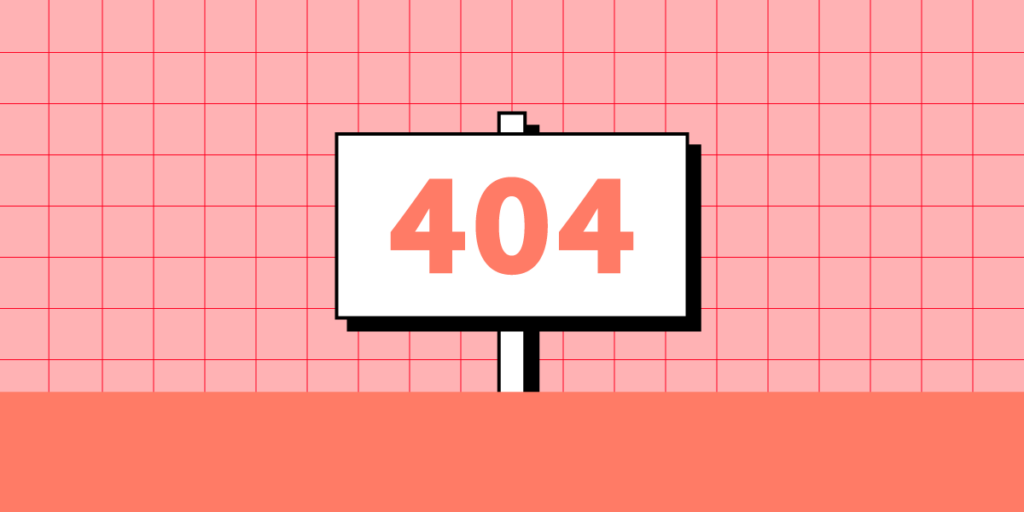
A well-designed 404 page turns a dead end into a helpful redirect. No matter how carefully a website is maintained, users will eventually land on pages that don’t exist — whether from a mistyped URL, a broken link, or outdated search results. The UX design team’s job is to make that moment as painless as possible.
This guide covers 404 page best practices, essential design elements, real-world examples from leading brands, and tips for preventing 404 errors in the first place.
Key takeaways:
- A custom 404 page is essential — browser-generated error pages lose visitors and conversions.
- Every 404 page should include navigation, a clear error message, helpful links, and ideally a search bar.
- Error prevention (fixing broken links, using 301 redirects) should be your first priority.
- The best 404 pages maintain brand consistency while guiding users forward quickly.
Design, prototype, and test your website’s error pages with UXPin — the code-based design tool that lets you build interactive prototypes with production-ready components. Start a free trial.
What Is a 404 Page?
A 404 error occurs when a user requests a URL that doesn’t exist on the server. This happens when the user mistypes an address, clicks a broken link, or follows an outdated URL.
A 404 page is the custom response your website displays when this error occurs. Without one, users see a bare-bones browser-generated message — no navigation, no branding, and no way forward.
A Brief History of 404 Errors
HTTP status codes were established as part of the early web protocol. Client-side errors fall under the 4xx class:
- 400 Bad Request — Malformed syntax.
- 401 Unauthorized — Authentication required.
- 403 Forbidden — Server refuses to authorize.
- 404 Not Found — The requested resource doesn’t exist.
The 404 status code has become the most recognized error code on the internet — which is why it’s worth designing thoughtfully.
Why You Need a Custom 404 Page
A browser-generated 404 provides zero guidance. A custom 404 page:
- Keeps users on your site with navigation and helpful links.
- Protects conversions by redirecting to relevant content.
- Maintains brand experience even during an error state.
- Reduces bounce rate — users are far more likely to explore when given clear options.
Essential Elements of a 404 Page
Every effective 404 page includes these components:
- Header navigation — Your standard site navigation so users can find any page.
- Clear error title — Explicitly state “Page Not Found” or “404 Error.”
- Helpful error message — A brief, human-friendly explanation. Avoid jargon.
- Actionable links — Homepage link at minimum, plus popular content or support links.
- Search bar — Lets users find what they were looking for immediately.
- Consistent branding — The page should look and feel like part of your site.
404 Page Best Practices
1. Prevent 404 Errors First
The best 404 experience is one that never happens:
- Audit internal links regularly — Use tools like Screaming Frog or Google Search Console.
- Implement 301 redirects — When moving or deleting pages, always redirect.
- Monitor external backlinks — Keep redirects for deleted pages with inbound links.
- Use consistent URL structures — Avoid changing URL patterns without redirects.
2. Keep the Design Simple and Helpful
A 404 page isn’t the place for complex layouts. The user is frustrated — your goal is to resolve the situation quickly with clarity, fast load times, and obvious next steps. If you’re building a website with dynamic pages, backend flexibility becomes important; platforms like DreamFactory provide governed API access to any data source, making it easier to manage content and routing at scale.
3. Use Your Brand Voice
A 404 page is an opportunity to reinforce your brand personality. A playful SaaS brand can afford a witty message. A banking website should keep things professional. The key is consistency with the rest of your site’s tone.
4. Include Search Functionality
Users who arrive via a broken link often know what they’re looking for — a search bar lets them find it in seconds without navigating through menus.
5. Track and Analyze 404 Errors
Set up monitoring in Google Search Console and analytics to track which 404 URLs get traffic. This data tells you:
- Which deleted pages still have inbound traffic (candidates for redirects).
- Common URL typos that might inform autocorrect features.
- Broken internal links that need fixing.
6. Avoid Soft 404 Errors
A “soft 404” returns a 200 (success) status code while displaying a “not found” message. Search engines penalize soft 404s because they waste crawl budget. Always return a proper 404 HTTP status code.
Inspiring 404 Page Examples
Google’s 404 page is minimal and functional: a clear “404. That’s an error.” message with a homepage link. No clutter — just fast resolution.
GitHub
GitHub features a Star Wars-inspired parallax illustration with “This is not the web page you are looking for.” Playful, on-brand for developers, with a search bar plus site navigation.
BBC
The BBC’s 404 page provides purpose-built navigation with popular content categories, a homepage link, and a search box. Designed to keep users engaged.
Slack
Slack keeps its 404 page friendly with custom illustrations and a message that acknowledges the error without alarm. Fully consistent with Slack’s product aesthetic.
Pixar
Pixar’s 404 page features an emotive character — using storytelling to turn an error into a memorable brand moment, while clear navigation options remain visible.
Designing and Prototyping 404 Pages
A 404 page may seem small, but it’s an opportunity to demonstrate attention to UX. Prototyping your 404 page — testing navigation paths, search functionality, and responsive behavior — ensures it works across devices.
With UXPin, build interactive 404 page prototypes using production-fidelity components. With Merge, drag and drop your actual MUI, shadcn/ui, or custom React components — so prototypes use the same navigation, search, and typography as your live site.
For teams starting from scratch, UXPin Forge can generate a 404 page layout from a text prompt using your design system’s components.
Try UXPin free to design better error experiences.
Frequently Asked Questions About 404 Pages
What is a 404 error page?
A 404 error page is displayed when a user requests a URL that doesn’t exist. It’s triggered by mistyped addresses, broken links, or deleted content. A custom 404 page provides navigation and guidance to help users find what they need.
What should a 404 page include?
At minimum: header navigation, a clear error message, a homepage link, and a search bar. The best 404 pages also include links to popular content and maintain consistent branding.
How do 404 pages affect SEO?
404 pages themselves don’t directly harm rankings. However, many broken internal links waste crawl budget and signal poor maintenance. Soft 404s (200 status for missing pages) cause indexing issues. Use proper 404 status codes and 301 redirects.
What is the difference between a 404 and a soft 404?
A true 404 returns a 404 HTTP status code. A soft 404 displays a “not found” message but returns a 200 (success) code, confusing search engine crawlers.
How can I prevent 404 errors on my website?
Regularly audit internal links, implement 301 redirects when removing or moving pages, monitor Google Search Console for crawl errors, and use consistent URL structures.
Should 404 pages be creative or simple?
Both can work. Match your brand voice while keeping the page functional. Always provide clear navigation and next steps regardless of creative approach.