Experience Design: What It Is, Process, and How It Relates to UX (2026)
Experience design (XD) is a holistic design discipline focused on creating meaningful interactions across every touchpoint a person has with a product, service, or brand. It goes beyond user interface screens to consider the entire journey — physical and digital — including what people see, hear, feel, and do before, during, and after interacting with a product.
While UX design focuses specifically on the usability of a digital product, experience design takes a broader view, encompassing brand perception, emotional responses, and cross-channel consistency. This article explains what experience design is, how it relates to UX, and the process professionals use to design great experiences.
Prototype and test experiences at full fidelity with UXPin. Build interactive prototypes that look and behave like the final product — not static mockups. Sign up for a free trial.
What Is Experience Design?
Experience design is the practice of shaping every detail of how someone interacts with a product, service, or environment. It considers the full spectrum of human perception — visual, auditory, tactile, and emotional — to create cohesive, intentional experiences.
Key characteristics of experience design:
- Holistic scope — covers the entire customer journey, not just individual screens or touchpoints.
- Multi-sensory — considers what people see, hear, touch, and feel.
- Cross-disciplinary — draws from UX design, psychology, branding, service design, and technology.
- Emotion-focused — aims to create specific feelings and memories, not just task completion.
Experience Design Example: Disney World
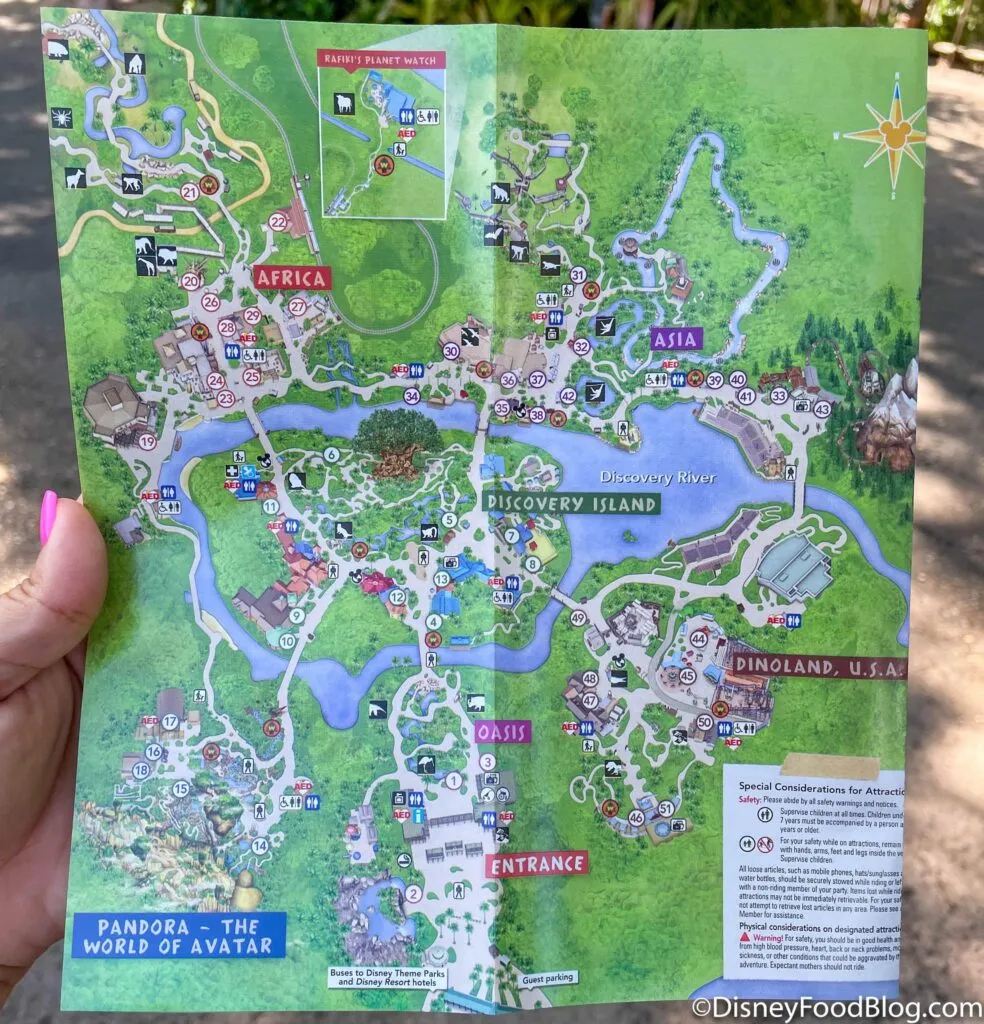
Disney World is one of the most cited examples of experience design. From the moment guests enter the gates until they leave, every detail is intentionally crafted — architecture, landscaping, sounds, smells, character interactions, wayfinding, and crowd management all work together to create a magical experience.
The experience design team behind Disney’s parks includes architects, builders, landscapers, graphic designers, choreographers, actors, and technology specialists — all collaborating to deliver a unified experience across hundreds of touchpoints.
Digital Experience Design
In digital product design, experience design considers both on-screen and off-screen moments. A well-designed digital experience accounts for what happens before, during, and after someone uses your product.
Take a food delivery app as an example. An experience designer considers:
- What triggers a user to open the app (hunger, habit, a notification)?
- How easily they can find what they want and complete an order.
- How the app communicates order status and delivery timing.
- The physical experience of receiving, unpacking, and eating the food.
- Post-purchase interactions like ratings, reordering, and saas customer support.
This holistic perspective helps product teams understand user behavior, motivations, and context, leading to products that fit naturally into people’s lives.
Experience Design vs. User Experience Design
Experience design and UX design are closely related but differ in scope:
| Dimension | UX Design | Experience Design |
|---|---|---|
| Scope | Digital product interface | Entire journey (physical + digital) |
| Focus | Usability, task completion | Emotion, meaning, brand perception |
| Touchpoints | Screens, interactions | All channels (product, service, environment) |
| Team | UX/UI designers | Cross-functional (UX, branding, marketing, engineering, customer service) |
| Outcome | Intuitive, efficient interfaces | Cohesive, memorable experiences |
UX design
User experience design focuses on the interactivity and usability of a digital product. UX designers create intuitive interfaces where users can complete tasks efficiently and enjoyably. Their tools include wireframes, prototypes, usability tests, and information architecture.
Experience design
Experience design encompasses the full customer journey, including sensory and emotional elements across all touchpoints. For digital products, the experience design team typically includes members from UX, product, branding, marketing, engineering, and customer experience.
The Experience Design Process
Experience design follows a structured process rooted in design thinking and human-centered design. The Double Diamond model provides a proven framework with four phases:
1. Discover
Research your target audience’s needs, motivations, behaviors, and pain points. Core methods include:
- User interviews — direct conversations with target users to understand their goals, frustrations, and context.
- Desk research — analyzing the market, competitors, published papers, and industry reports.
- Surveys — gathering quantitative data at scale to identify patterns and validate hypotheses.
- Observation — watching people interact with existing products or services in their natural environment.
2. Define
Synthesize research findings to identify core problems and opportunities:
- User personas — fictional representations of target users based on research data.
- Experience maps — visualize the user’s end-to-end journey across all touchpoints, including emotional highs and lows.
- Problem statements — clearly articulate the challenge you’re solving and for whom.
3. Develop
Generate solutions through ideation techniques:
- Crazy 8s — sketch eight ideas in eight minutes to push creative thinking.
- How Might We (HMW) — reframe problems as opportunity questions.
- Impact/effort matrix — rank and prioritize ideas based on potential value and implementation cost.
4. Deliver
Prototype and test ideas iteratively:
- Paper prototypes — quick hand-sketched wireframes to test ideas at the lowest cost.
- Wireframes — digital low-fidelity layouts that establish structure and flow.
- Interactive prototypes — high-fidelity prototypes that accurately replicate the final product’s look and behavior, enabling meaningful usability testing.
Start with low-fidelity prototypes to eliminate weak ideas quickly, then invest in high-fidelity prototypes for the most promising solutions.
Why Is Experience Design Important?
Experience design matters because it directly impacts business outcomes:
- Customer loyalty — well-designed experiences build emotional connections that keep people coming back.
- Brand differentiation — when products have similar features, the experience becomes the competitive advantage.
- Reduced churn — understanding the full journey reveals friction points that drive people away.
- Higher satisfaction — holistic design ensures consistency across every interaction, from marketing to support.
AI and the Future of Experience Design
AI is transforming experience design by accelerating ideation, prototyping, and personalization. Design teams can now use AI to generate initial layouts, analyze user behavior patterns, and create adaptive interfaces that respond to individual preferences.
Tools like UXPin Forge bring AI directly into the design workflow — generating interfaces using your actual production components, not generic templates. This means the AI output respects your design system’s rules, ensuring brand consistency across every touchpoint. Combined with UXPin Merge‘s code-backed components, teams can prototype and test experience concepts at full fidelity, resulting in more accurate user feedback and better design decisions.
Prototype Experiences With UXPin
Experience design relies on accurate prototypes to test hypotheses and validate ideas. Static mockups can test visual design, but they fail to capture the interactive, dynamic nature of real experiences.
UXPin is a design tool that renders code under the hood, giving your prototypes the same interactive capabilities as a front-end developer would build. Four key features make this possible:
- States — create multiple states for any element (active, hover, disabled, expanded) to build dynamic components like dropdowns, accordions, and tab interfaces.
- Interactions — define triggers (click, hover, scroll, swipe) and actions (navigate, animate, change state) to create immersive, realistic flows.
- Variables — capture user inputs and use them throughout the prototype (personalized messages, form data, dynamic content).
- Expressions — add logic like form validation, calculations, and conditional content display.
These prototypes give stakeholders and test participants a realistic experience, leading to better feedback and fewer surprises during development. Start your free UXPin trial and build prototypes your users can truly experience.
Frequently Asked Questions
What is the difference between experience design and UX design?
UX design focuses on the usability and interactivity of a specific digital product (app or website). Experience design is broader — it encompasses the entire customer journey across all touchpoints, including physical environments, customer service, marketing, and emotional responses. UX design is a subset of experience design.
What does an experience designer do?
An experience designer researches user needs, maps end-to-end customer journeys, identifies pain points across touchpoints, and collaborates with cross-functional teams to create cohesive, meaningful experiences. They use tools like journey maps, personas, service blueprints, and prototypes.
What are examples of experience design?
Disney World’s theme parks (carefully curated physical experiences), Apple’s retail stores (seamless product discovery), and Uber’s ride-hailing flow (from request to drop-off) are all examples. In digital products, experience design shapes everything from onboarding to checkout to customer support interactions.
Why is experience design important for business?
Great experience design increases customer satisfaction and loyalty, reduces churn, differentiates your brand from competitors, and drives revenue. McKinsey research shows that design-led companies outperform industry benchmarks by up to 2x in revenue growth.
What skills do experience designers need?
Experience designers need research skills (interviews, surveys, analytics), design skills (prototyping, journey mapping, visual design), empathy, systems thinking, and the ability to collaborate across disciplines including product, engineering, marketing, and customer service.
How does AI impact experience design?
AI accelerates experience design by automating ideation, enabling rapid prototyping, and powering personalized experiences. AI tools can generate UI layouts, analyze user behavior patterns, and create adaptive interfaces. Tools like UXPin Forge generate designs using real production components, maintaining brand consistency.