How to Create a Wireframe: Step-by-Step Guide + Examples (2025)
Wireframing is a foundational step in the UX design process. It’s how designers map out a product’s information architecture, layout, and user flows before committing to visual design or development. Whether you’re designing a website, mobile app, or enterprise dashboard, creating a wireframe early saves time, reduces rework, and keeps stakeholders aligned.
In this guide, you’ll learn exactly what wireframes are, why they matter, and how to create one step by step — with practical examples and tool recommendations. We’ll also show how UXPin makes wireframing faster with built-in UI elements, interactive states, and code-backed components via UXPin Merge.
What Is a Wireframe in UX Design?
A wireframe is a low-fidelity visual representation of a user interface. Think of it as the blueprint for a digital product — it shows the structure, layout, and placement of elements without focusing on colors, typography, or visual styling.
Wireframes typically include:
- Layout structure — content blocks, columns, and grid alignment
- Navigation elements — menus, tabs, breadcrumbs, and links
- Content placement — headings, body text, images, and CTAs
- Functional elements — forms, buttons, search bars, and modals
Wireframes are intentionally simple. Their purpose is to validate structure and user flow before investing in high-fidelity design.
Wireframe vs. Mockup vs. Prototype — What’s the Difference?
These terms are often confused, but each serves a distinct role in the design process:
| Deliverable | Fidelity | Interactivity | Purpose |
|---|---|---|---|
| Wireframe | Low | None or minimal | Define layout, structure, and content hierarchy |
| Mockup | High | None (static) | Show visual design — colors, typography, imagery |
| Prototype | Low to high | Interactive | Simulate user flows and test usability |
In UXPin, you can transition seamlessly from wireframe to interactive prototype within the same project — no switching tools required.
Why Create Wireframes? 5 Key Benefits
Wireframing isn’t just a design exercise. It’s a communication and validation tool that benefits the entire product team.
1. Establish Information Architecture Early
Wireframes force you to think about how content is organized and how users will navigate between screens. This is where you define the hierarchy of information — what’s most important, what’s secondary, and what can be hidden behind interactions.
2. Align Stakeholders Before Visual Design
Wireframes strip away visual opinions and keep the conversation focused on structure and functionality. Showing a wireframe to stakeholders early avoids costly design pivots later when high-fidelity mockups are already complete.
3. Speed Up the Design Process
Because wireframes are low-fidelity, they’re fast to create and iterate on. You can explore multiple layout options in the time it would take to produce a single mockup.
4. Reduce Development Rework
When developers receive a wireframe-validated design, they have confidence that the layout and user flows have been tested. This reduces the back-and-forth that often plagues design-to-development handoffs.
5. Enable Early Usability Testing
With tools like UXPin, you can turn wireframes into interactive low-fidelity prototypes and test them with real users — before a single line of production code is written.
How to Create a Wireframe: Step-by-Step Process
Follow these five steps to go from concept to validated wireframe.
Step 1: Define Your User Flow
Before opening any design tool, map out the user journey. Identify:
- The entry point (e.g., landing page, login screen)
- Key tasks the user needs to complete
- Decision points and branches
- The desired end state (e.g., purchase confirmation, dashboard view)
Use a simple flowchart or UXPin’s User Flows feature to visualize screen-to-screen navigation before wireframing individual screens.
Step 2: Sketch on Paper First
Start with rough pencil sketches. Paper wireframing is the fastest way to explore layout ideas without getting distracted by pixel-perfect alignment. Sketch 3–5 variations of your most important screens to compare approaches.
Step 3: Create Digital Wireframes
Translate your best paper sketches into digital wireframes using a tool like Adalo or UXPin. Digital wireframes give you precise control over spacing, alignment, and component sizing. If you’re building a custom app rather than just designing, Adalo’s no-code app builder lets you wireframe while simultaneously creating a functional prototype that’s ready to deploy to the Apple App Store, Google Play Store, or web.
In UXPin, you can use:
- Built-in UI elements — forms, buttons, icons, text fields, and shapes
- Pre-built design libraries — wireframe kits with placeholder components
- Responsive breakpoints — design for desktop, tablet, and mobile in the same project
- Grid and layout tools — snap-to-grid alignment for consistent spacing
Step 4: Add Interactivity for Testing
Static wireframes are useful, but interactive wireframes are far more effective for usability testing. UXPin lets you add:
- Click interactions — link screens together to simulate navigation
- Conditional logic — show or hide elements based on user input
- States — define hover, active, and disabled states for interactive elements
- Variables — pass data between screens for realistic form flows
Step 5: Test and Iterate
Share your wireframe prototype with team members and test users. Use UXPin’s built-in commenting and review tools to collect feedback directly on the design. Iterate based on findings before moving to high-fidelity mockups.
Wireframe Examples: What Good Wireframes Look Like
Homepage Wireframe
A homepage wireframe typically includes a hero section, value proposition, feature highlights, social proof (testimonials or logos), and a footer with navigation links. The focus is on visual hierarchy — what draws the user’s eye first and what action you want them to take.
Dashboard Wireframe
Dashboard wireframes prioritize data layout — card components, charts, tables, and key metrics. The wireframe should show how data is grouped and how users filter or drill into specific views.
Mobile App Wireframe
Mobile wireframes need to account for smaller screens, thumb-friendly tap targets, and simplified navigation (e.g., bottom tab bars, hamburger menus). Use UXPin’s responsive design features to test your wireframe across breakpoints.
Best Wireframing Tools in 2025
Here’s how the most popular wireframing tools compare:
| Tool | Best For | Interactive Prototyping | Code-Backed Components |
|---|---|---|---|
| UXPin | End-to-end design — wireframe to code | ✅ Advanced (conditional logic, states, variables) | ✅ Yes (Merge) |
| Figma | Collaborative visual design | ⚠️ Basic | ❌ No |
| Balsamiq | Quick low-fidelity sketching | ⚠️ Basic linking | ❌ No |
| Sketch | macOS visual design | ⚠️ Requires plugins | ❌ No |
| Whimsical | Flowcharts and simple wireframes | ❌ No | ❌ No |
UXPin stands out because you can start with a low-fidelity wireframe and progressively enhance it into a fully interactive, high-fidelity prototype — all in one tool. With UXPin Merge, you can even wireframe using real production-ready React, Storybook, or npm components, ensuring your wireframes are always aligned with what developers will build.
UXPin: From Wireframe to Production-Ready Prototype
UXPin is designed for teams that want to go beyond static wireframes. Here’s what makes it the most advanced wireframing and prototyping tool available:
Built-in Design Elements
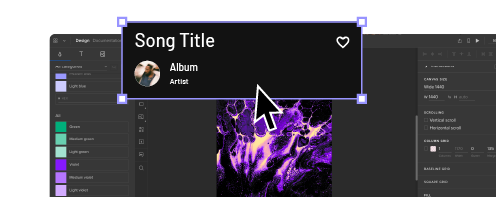
UXPin includes a comprehensive library of UI elements — buttons, form fields, icons, text blocks, and containers — so you can start wireframing immediately without importing assets.
Interactive States and Conditional Logic
Unlike most wireframing tools, UXPin lets you add real interactivity to your wireframes. Define hover states, toggle visibility, create multi-step forms, and build conditional navigation — all without code.
UXPin Merge: Design with Real Components
With Merge, you can import your team’s production React, Storybook, or npm components directly into UXPin’s design editor. This means your wireframes use the exact same components that developers will ship — eliminating design drift and speeding up handoff.
Collaboration and Design Reviews
Share wireframes with stakeholders via a preview link, collect comments in context, and run design reviews — all within UXPin. No exports or screenshots needed.
Try UXPin Merge for free and see how code-backed wireframing accelerates your design process.
Frequently Asked Questions
What is a wireframe in UX design?
A wireframe is a low-fidelity visual blueprint of a user interface. It defines the layout, content placement, and navigation structure of a screen without including visual design details like colors or typography.
What tools do I need to create a wireframe?
You can start with pencil and paper for initial sketches. For digital wireframes, use a tool like UXPin, which includes built-in UI elements, interactive prototyping, and code-backed components via Merge.
How detailed should a wireframe be?
Wireframes should be detailed enough to communicate layout, content hierarchy, and user flow — but not so detailed that they look like finished designs. Use placeholder text and simple shapes to keep the focus on structure.
What is the difference between a wireframe and a prototype?
A wireframe is a static layout showing structure and content placement. A prototype adds interactivity — clickable links, transitions, and simulated user flows — to test usability. In UXPin, you can turn any wireframe into an interactive prototype with a few clicks.
Should wireframes be responsive?
Yes. Modern digital products must work across devices. Creating wireframes for desktop, tablet, and mobile breakpoints helps you identify layout issues early. UXPin supports responsive design within the same project file.
How long does it take to create a wireframe?
Simple wireframes can be created in 30 minutes to a few hours. Complex multi-screen wireframes for enterprise applications may take several days. Starting with paper sketches and using pre-built UI elements in UXPin significantly speeds up the process.