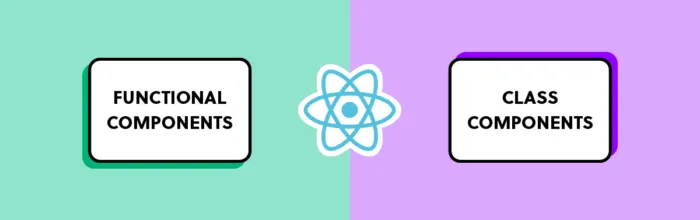
Compare React functional components and class components — learn the key differences, when to use each, and why functional components with Hooks dominate modern React.
Functional vs Class Components in React: Key Differences Explained [2026]
Compare React functional components and class components — learn the key differences, when to use each, and why functional components with Hooks dominate modern React.
Master all React Hooks with practical examples, clear definitions, and best practices. Updated for React 19, covering useState, useEffect, useContext, and all 17 built-in hooks.
Explore 20 impressive websites and web applications built with React — from Facebook and Netflix to enterprise SaaS products. See what’s possible with ReactJS in 2026 and learn when to use it.
UXPin is a product design platform used by the best designers on the planet. Let your team easily design, collaborate, and present from low-fidelity wireframes to fully-interactive prototypes.
Start your free trial
Component-driven prototyping uses real, reusable UI components instead of static pixels. Learn the methodology, benefits, and how UXPin Merge makes it possible.
HTML (HyperText Markup Language) defines the structure and content of a web page — headings, paragraphs, images, links, and forms. CSS (Cascading Style Sheets) controls how that content looks and behaves — colours, typography, layout, spacing, and responsive design. The short version: HTML = what’s on the page. CSS = how it looks. You almost
(…)
Next.js and React are related but serve different purposes and have distinct features. React in the context of Next.js is the foundational library used to build the user interface components, while Next.js provides a framework with added features and conventions for building React-based web applications. Design interactive interfaces without pushing pixels. Bring your coded components
(…)
Ant Design is a popular design system for developing enterprise products. The comprehensive component library has everything product teams need to solve most modern B2B design problems. Key takeaways: With UXPin Merge, design teams can import Ant Design UI components to build fully functioning prototypes. This article outlines the benefits of working with Ant Design,
(…)
Bootstrap has long been a go-to framework for many front-end developers. It offers a solid foundation for building responsive, mobile-first projects with ease. However, as your skills evolve, you might find yourself seeking alternatives that provide more flexibility, performance, or simply a different approach to building web interfaces. In this article, we’ll explore some of
(…)
It feels like a new low-code, no-code application emerges every month. Organizations use no-code, low-code builders rather than allocating valuable resources to develop a simple app or API. These platforms also offer solopreneurs and cash-strapped startups an opportunity to validate an idea or build a minimum viable product (MVP) to pitch for investment. As a
(…)
React is a JavaScript library developed by Facebook, designed to create interactive user interfaces for web apps. In this article, we’re unpacking the magic of React, emphasizing its impact on user interface design, user experience (UX), and team collaboration. Key takeaways: Build prototypes of React apps fast. Use UXPin Merge and import React components to
(…)
There is no denying the immense popularity and practicality of React. For a long time, most web design was built with CSS, HTML, and JavaScript. React brought a much-needed sigh of relief for developers with its ease of use. The reusable components, great developer tools, and extensive ecosystem are some of the most loved features
(…)
Retool lets teams build internal tools quickly without extensive coding. It speeds up development and reduces resource costs for companies needing fast, functional internal tools. What if you want another tool that has a drag-and-drop interface, and enough flexibility to create dashboards, CRMs, and admin panels efficiently? Here are top alternatives to Retool that you
(…)
A CRUD app is an application that performs the basic operations of Create, Read, Update, and Delete on data. That’s why it’s abbreviated into CRUD. The four operations represent the fundamental actions that can be performed on most database management systems and are essential for managing data within an application. CRUD operations are most commonly
(…)
Modern websites and apps rely on front-end frameworks to develop, maintain, and scale user interfaces. React’s Javascript library is arguably the most popular front-end framework with many component libraries to build digital products. We’re going to explore the top React UI libraries and how to choose the right one for your next project. With UXPin
(…)
Storybook has become THE DevOps tool for developing and maintaining design systems. The platform’s excellent documentation, intuitive UI, built-in testing, and collaborative features make it the perfect tool for building and releasing components. Understanding how Storybook works can help designers collaborate with front-end devs better and leverage the platform’s features to improve prototyping and testing.